
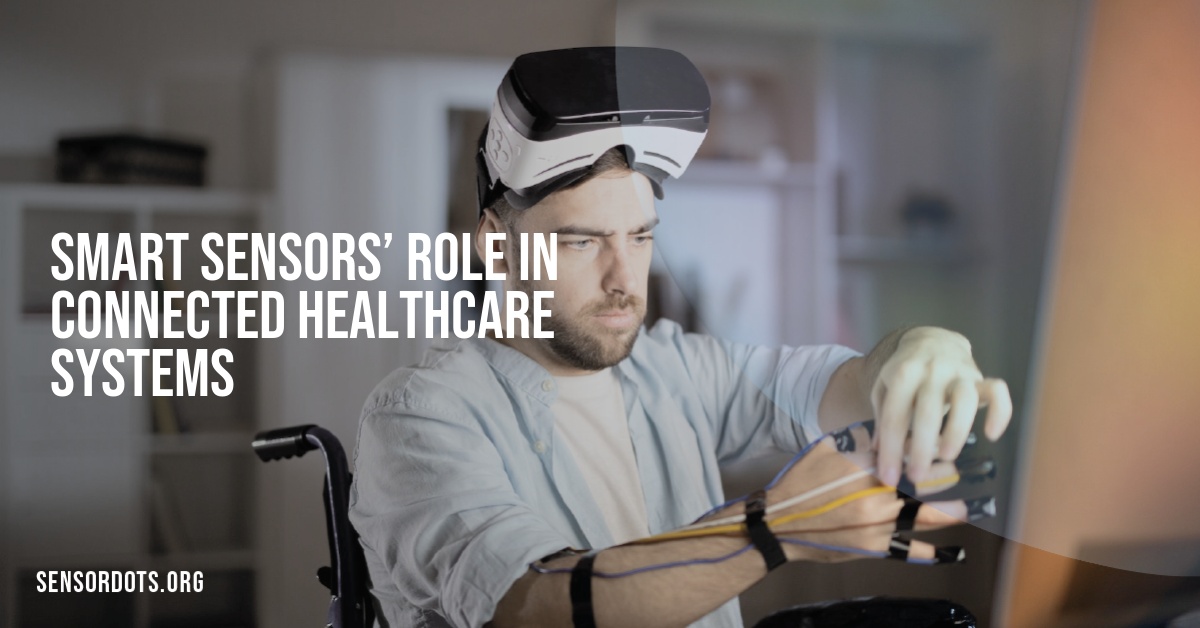
Smart sensors are key in modern healthcare tech. They use the Internet of Things to monitor patients in real-time. This improves medical care quality by tracking health data. Smart sensors change the way doctors care for patients with chronic or acute diseases.
The medical field now uses smart sensors to watch things like heart and breathing rates. The demand for these devices is huge, with the U.S. market expected to reach $143.6 billion. These devices help doctors make better decisions quickly. This shifts healthcare to focus more on preventing issues before they happen.
Next, we’ll dive into what smart sensors are, how they’ve grown, and their uses in healthcare. We’ll see their big role in checking on patients. This greatly improves how healthcare is given.
Understanding Smart Sensors in Healthcare
Smart sensors are changing healthcare in big ways. They support monitoring for chronic and acute care effectively. Their growth comes from a clear definition, focusing on collecting, analyzing, and sharing health data privacy. Thanks to sensor technology and the Internet of Things (IoT), these sensors now offer detailed health monitoring.
Definition and Evolution of Smart Sensors
Smart sensors have come a long way in healthcare. Initially, they had simple functions. However, technology improvements have made them more advanced, capable of complex analysis. This change means care can be more proactive, with real-time data helping with quick decisions. Their growing use has made them key in healthcare, for tasks like monitoring blood pressure and tracking heart rate.
Applications in Chronic and Acute Care
Smart sensors are used in many healthcare areas. For chronic conditions like diabetes, they track health data. Companies like Omada Health use them to offer personalized help. For acute care, sensors analyze heart and breathing for fast insights.
- Devices like Fitbit and Apple Health monitor health constantly, tracking various metrics.
- Gadgets by Propeller Health help asthma patients find what triggers their symptoms.
- Smart sensors collect digital biomarkers, crucial for evidence-based healthcare decisions.
Smart sensors are becoming essential in healthcare. They make it possible to monitor chronic conditions and respond to acute ones. This shows how vital they are for better patient care and healthcare efficiency.
How Smart Sensors Enable Connected Healthcare Systems
Smart sensors are key in making connected healthcare systems better. They are incredibly important for home healthcare. These sensors use the latest tech to monitor health closely. They help doctors and patients talk to each other more easily.
Integration into Home Healthcare
Smart home tech has changed home healthcare a lot. It watches over patients’ health all the time. Wearable biosensors, smart thermometers, and motion detectors gather health data live.
This lets doctors check on patients from afar. It’s especially good for older folks who want to live on their own. A network of smart devices can spot dangers, like someone falling. This makes patients safer and happier.
Data Analysis and Predictive Analytics
Predictive analytics lets doctors look at data from smart sensors in detail. They can see health trends and guess what might happen next. This means doctors can make care plans that are just right for each patient. It helps them act fast when needed.
The market for devices that monitor patients from afar will grow big. It’s expected to reach over $175.2 billion by 2027. The expanding use of IoT tech is pushing healthcare forward. Smart sensors are becoming vital in improving care for patients. They also make using resources in healthcare better.
The Future Impact of Smart Sensors on Healthcare Delivery
Smart sensors in healthcare mark a major shift towards the future. Devices like wearable biosensors are changing how we interact with patients. They allow for care that is more personalized. This innovation is key to making healthcare more tailored to each person’s needs. Remote devices, such as smartwatches, let us track health vitally. They monitor heart rate and blood oxygen levels constantly.
Smart sensors and artificial intelligence together improve health management, especially for chronic diseases. They use health data to help shape public health plans. This helps healthcare providers act fast when needed. For example, during the COVID-19 pandemic, the use of telehealth services grew. Thanks to these innovations, healthcare can respond quicker and at a lower cost. This ultimately makes patient care better.
The role of smart technology in emergencies shows its true potential. It allows for instant data sharing among ambulances and hospitals. This leads to quicker and better emergency care. Smart hospital management systems use IoT and AI to operate more smoothly. They put patient care first. Embracing these technologies means health systems can focus more on preventing health issues. This changes how healthcare is delivered, benefiting both patients and providers.

Charlie Toms, a tech enthusiast and industry expert, brings a wealth of knowledge in smart sensor technology to SensorDots.org. With a background in engineering and a passion for emerging tech trends, Charlie offers insightful and engaging content that bridges the gap between complex technology and practical applications.