

A fuel testing kit may be used to check for water content in diesel or fuel quality, among many other things. Diesel fuel and other related components are routinely tested for microbial contamination.
Certain bacteria, yeasts, and fungal growth are responsible for microbiological contamination, which may harm fuel. These pollutants are prevalent in jet fuel and diesel fuels.
It is now easy to spot diesel bugs at their early stages with the availability of a gasoline testing kit tailored to detect microbiological contamination. As a result, there is less danger involved and shorter fuel treatment times if contamination and problems are addressed early on.
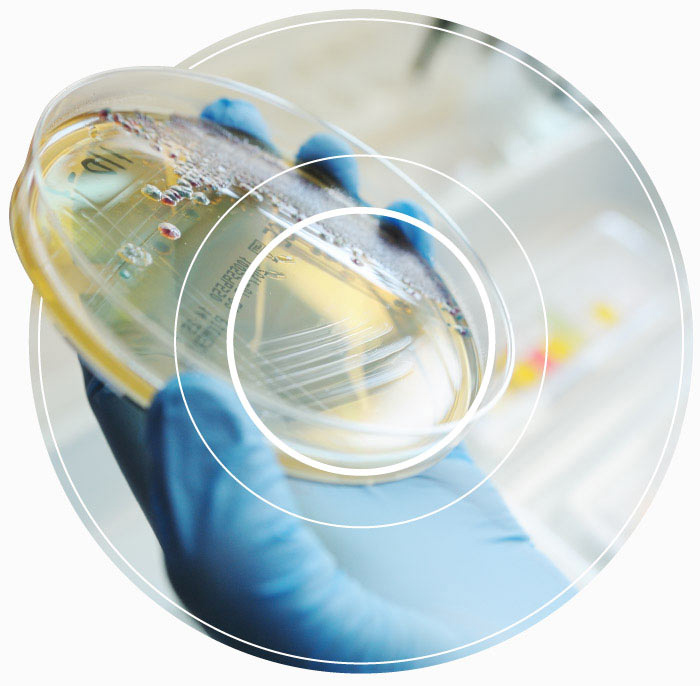
Problems caused by microbiological contamination of the fuel
When an asset, like an aircraft or a power plant, becomes contaminated by microorganisms, it may cause severe problems in terms of functioning. For example, a fuel tank may accumulate so much microbiological debris that it becomes unusable and must be cleaned.
The tanks may be severely damaged if they get contaminated with microorganisms. When microbe infection is high enough to create these acids, it poses major threats to human health and the environment.
For example, a large tank may spring a leak, releasing fuel underground. Similarly, if a commercial airliner were to have a severe blockage, it may lead to engine failure that could endanger passengers’ lives.
Functions of a Fuel Test Kit
Fuel testing kits can detect and quantify microbial growth and contamination in fuel either directly or indirectly. The type and number of bacteria may be determined based on specific analysis. Fuel contains bacteria in varying densities; testing can tell you how much.
The degree of contamination dictates what kinds of measures are suggested for curing the condition. For example, tanks with mild readings, for instance, might need a small dose of biocide. Severe contamination may need fuel polishing, in which the tank is emptied and cleaned and the fuel is treated.
It is therefore recommended that the aviation fuel management plan include a testing schedule that aims to detect bacterial spoilage early. This is because of the high prices and lengthy delays associated with tank cleaning and gasoline polishing.
How Well Do Different Fuel Test Kits Perform?
Fuel microbiological testing kits may be divided into two categories:
CFU Growth Tests
CFU growth tests are one kind of assay that examines a specimen for the presence of microbes that can be cultured in a certain way using a special agar-based medium. There may be detectable but nontoxic bacteria in a sample, causing a false test strip result.
The analysis may detect the presence of a normal flu virus or e-coli bacteria, for example, even if they do not contribute to any problems with the fuel. However, it will not be able to detect any bacteria or viruses that can’t be grown in a lab.
ATP Tests
The number of bacteria present in a sample may be estimated by a different set of tests called ATP (Adenosine Triphosphate) tests which detect the amount of light given off by a cellular ATP (ATP)-mediated reaction. While this approach yields fast results, it requires the purchase of specialized hardware and could be challenging to implement for those with a science background.
More specific fuel/water separator testing is possible with modern gasoline tests, such as an immunoassay or antibody test kit. In other words, it searches only for the microbes, yeasts, and fungi that are proven to create problems in the fuel system and disregards the rest.
Benefits of Immunoassay Fuel Testing Kits
Simple in Operation
Immunoassay antibody fuel test kits are one of a kind since they may provide accurate results without requiring a series of laborious steps. After just a few instructions, they are hard to mess up.
The tester collects a fuel sample, transfers it to the accompanying sample holder which may also be used for free water, and adds four fuel droplets to the test bottle.
Digitally Confirmed Results
A smartphone app allows instant verification and digital recording of immunoassay antibody test findings. This alleviates the need for laborious manual documentation, which aids in clarifying results, lowers the total cost, and reduces room for human mistakes.
Functions Properly in Contaminated Settings
A further distinction of diesel fuel immunoassays is that they do not need on-site sterility procedures. Maintaining strict hygiene standards during fuel sampling and processing is unnecessary outside of using a clean sample container. However, always buy the fuel kits from a reputable seller who can offer free shipping to where you are located.

Charlie Toms, a tech enthusiast and industry expert, brings a wealth of knowledge in smart sensor technology to SensorDots.org. With a background in engineering and a passion for emerging tech trends, Charlie offers insightful and engaging content that bridges the gap between complex technology and practical applications.