
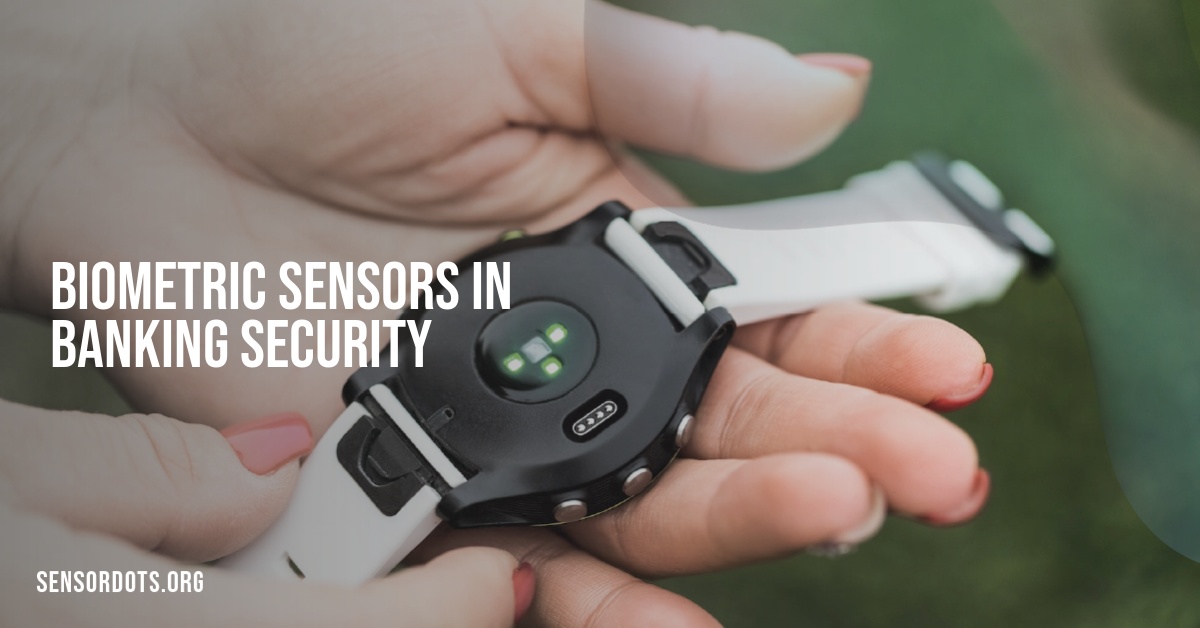
At our banking institution, we understand the importance of biometric banking security in today’s digital landscape. That’s why we have adopted advanced technologies such as facial recognition, fingerprint sensors, and voice recognition to provide our customers with enhanced security and convenience.
Biometrics offer a revolutionary way to safeguard your account access and digital transactions. Gone are the days of easily stolen or forgotten passwords and PINs. With our cutting-edge biometric sensors, you can enjoy a secure and seamless banking experience.
For Know Your Customer (KYC) verification, facial recognition has emerged as a game-changer. By leveraging this technology, we ensure regulatory compliance while creating a secure digital identity verification process. Your unique physical characteristics become your key to accessing our banking services.
Furthermore, biometric payment systems such as Apple Pay and Google Pay allow you to make transactions using your biometric data, adding an extra layer of protection to your financial transactions.
Join us as we embrace the future of banking security with biometric sensors. Your peace of mind and convenience are our top priorities.
The Role of Facial Recognition in Biometric Banking Security
Facial recognition technology plays a crucial role in enhancing security in biometric banking systems. By extracting and analyzing facial information, such as facial mapping and distinct features, facial recognition technology creates a unique digital identity for each user. This advanced technology uses AI-powered software to compare the extracted facial data with a database, ensuring accurate identification and verification.
Biometric facial recognition not only provides a high level of security but also offers convenience and ease of use. Users can effortlessly access their accounts and make transactions by simply looking into their device’s camera. This eliminates the need for traditional authentication methods like passwords or PINs, which can be easily stolen or forgotten. Companies like Apple have embraced facial recognition technology to safeguard their devices and protect against unauthorized access.
With the advent of facial recognition in biometric banking security, customers can have peace of mind, knowing that their accounts and transactions are protected by their unique physical characteristics. Facial recognition technology, combined with other biometric authentication methods, offers a robust defense against fraud and enhances the overall security of banking systems.
The Use of Biometrics in Mobile and Online Banking
In today’s digital era, mobile and online banking have become increasingly popular, providing convenient ways for users to manage their finances. However, with the rise of cyber threats, enhanced security measures are crucial to protect sensitive financial information. This is where biometric verification comes into play, offering a robust and secure authentication method for mobile and online banking transactions.
Enhanced Security
Biometric verification, such as fingerprint scanning and facial recognition, adds an extra layer of security to mobile and online banking. Unlike traditional authentication methods like passwords or PINs, which can be easily forgotten, stolen, or hacked, biometric data is unique to each individual. By using biometrics, banks can ensure that only authorized users gain access to their accounts, significantly reducing the risk of identity theft and fraudulent activities.
Streamlined Authentication Process
Biometric technology has revolutionized the authentication process in mobile and online banking, making it more convenient and user-friendly. Instead of entering lengthy passwords or remembering multiple security questions, users can simply use their fingerprint or face to authenticate themselves. This streamlined process saves time and provides a seamless user experience, increasing customer satisfaction.
Preventing Fraudulent Activities
Biometric verification acts as a powerful deterrent against fraudulent activities in mobile and online banking. With biometrics, financial institutions can verify the identity of their customers securely and accurately. This helps to prevent unauthorized access to accounts and protects customers from potential financial scams. By incorporating biometrics into their security systems, banks can mitigate the risks associated with fraudulent transactions and enhance customer trust.
Biometrics for Identity Verification and Anti-Money Laundering Compliance
In the digital age, identity verification and compliance with Anti-Money Laundering (AML) regulations are top priorities for financial institutions. This is where biometrics play a critical role. Through biometric identity assurance, banks can confidently confirm the identities of their customers during the account opening process. By utilizing technologies such as facial recognition, fingerprint scanning, and voice recognition, biometric verification ensures a high level of accuracy and security.
With biometric identity verification, banks can effectively meet their KYC requirements and mitigate the risks associated with financial crimes and money laundering. Biometrics provide a robust defense against fraud, ensuring that transactions are legitimate and individuals are who they claim to be. To further enhance security, financial institutions often combine biometric verification with other authentication measures, such as PINs or passwords, creating a multi-factor authentication system.
One of the key advantages of biometrics in identity verification is its speed and convenience. Traditional methods, such as manual document verification, can be time-consuming and prone to human error. Biometrics offer a seamless and efficient process, allowing customers to verify their identities quickly and effortlessly. This not only enhances the overall customer experience but also reduces the chances of abandonment during the onboarding process.
The Benefits of Biometrics for Identity Verification and AML Compliance:
- High level of accuracy and security
- Efficient and streamlined identity verification process
- Effective compliance with KYC and AML regulations
- Enhanced customer experience with swift and convenient verification
- Reduced risk of fraud and unauthorized transactions
- Multi-factor authentication for added security
As financial institutions continue to prioritize security and compliance, the use of biometrics for identity verification and AML compliance is expected to grow. With advancements in technology, biometrics are poised to become an integral part of the banking industry, replacing traditional authentication methods and providing a secure and seamless banking experience for customers.
Swift and Frictionless ID Verification with Biometrics
Biometrics have revolutionized the way we verify identities in the banking sector, offering a swift and frictionless authentication process that enhances the overall user experience. With biometric authentication methods such as fingerprint scanning or facial recognition, customers can quickly and securely verify their identities without the need for traditional passwords or PINs.
The convenience and speed of biometric ID verification have become increasingly important in today’s fast-paced world, where customers expect efficient and hassle-free banking services. By eliminating the need for cumbersome authentication processes, biometrics make it easier for customers to access their accounts and perform transactions seamlessly, reducing the chances of customers abandoning the verification process.
According to Juniper Research, mobile biometrics are projected to facilitate trillions of dollars in in-store and remote payments by 2023. This indicates the growing popularity and adoption of biometric technology in the banking sector, highlighting its effectiveness in providing enhanced security and a convenient user experience. With biometrics, financial service providers can ensure swift and secure ID verification, creating a seamless and efficient banking experience for their customers.
Biometrics in Banking: Use Cases and Benefits
In the banking industry, biometrics offer a wide range of use cases and benefits, revolutionizing the way customers interact with their accounts and ensuring enhanced security. Let’s explore some of the key areas where biometrics are making a significant impact:
1. Customer Onboarding
Biometrics play a crucial role in streamlining the customer onboarding process, particularly in identity verification during account opening. By utilizing biometric identification methods like facial recognition or fingerprint scanning, banks can ensure that they are dealing with legitimate individuals, mitigating the risk of fraud and enhancing customer trust.
2. Re-authentication
Biometrics are also employed for re-authentication purposes, adding an extra layer of security for high-risk transactions or account modifications. When customers need to perform sensitive actions, such as transferring large sums of money or changing personal details, biometric verification ensures that only authorized individuals have access to these critical operations.
3. Mobile Banking Security
Mobile banking has gained immense popularity, and biometrics significantly contribute to its security and convenience. With the integration of biometric authentication methods like facial recognition or fingerprint scanning, users can securely access their accounts and perform transactions on their smartphones, without the need for traditional passwords or PINs. This not only enhances the user experience but also provides a robust defense against unauthorized access.
Biometrics in banking offer immense potential for enhancing security, streamlining processes, and providing customers with a seamless and secure banking experience. As we embrace the future, biometrics will continue to play a pivotal role in protecting against fraud and ensuring a convenient user experience for customers.
The Future of Biometrics in Banking
As technology continues to advance, the future of biometrics in banking looks incredibly promising. We anticipate that biometric technology will play an even larger role in enhancing security and providing a convenient user experience for customers. With its proven effectiveness and widespread adoption, biometrics are poised to replace traditional authentication methods like passwords, PINs, and physical payment cards.
One of the key advantages of biometrics is their ability to offer enhanced security. By using unique physical characteristics for authentication, such as fingerprints or facial recognition, biometric systems significantly reduce the risk of unauthorized access. This not only protects customers’ financial information but also helps financial institutions combat fraud and identity theft.
Furthermore, biometrics provide a more convenient user experience compared to traditional authentication methods. With biometric technology, customers can securely access their accounts and make transactions with a simple touch or glance. This eliminates the need to remember complex passwords or carry physical authentication tokens, streamlining the banking process and improving overall customer satisfaction.
Looking ahead, we expect biometrics to continue revolutionizing the banking industry. As the technology evolves, we may see further advancements in areas such as voice recognition and behavioral biometrics, allowing for even more secure and personalized authentication methods. Ultimately, the future of biometrics in banking holds the promise of enhanced security, a convenient user experience, and a seamless integration of technology into our financial lives.

Charlie Toms, a tech enthusiast and industry expert, brings a wealth of knowledge in smart sensor technology to SensorDots.org. With a background in engineering and a passion for emerging tech trends, Charlie offers insightful and engaging content that bridges the gap between complex technology and practical applications.